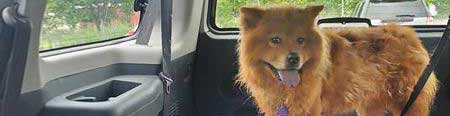
Do You See What I See? Trusting Your Intuition with Dogs


by admin January 20th 4 comments

I am later than I intended to be with getting this blog up. I have written it three times so far and have such mixed feelings with what I am writing. The reason for this is Kera. She has been in kidney failure since sometime during Merlin’s cancer treatment so it’s been at least four months. But it was not diagnosed right away so her treatment (fluids, a different diet, etc.) has only been going on since right after he passed away. She had been stable and actually had even showed some signs of rallying. Her stamina had increased as had her attention and appetite. Not any more, at least for the last week or so.

My plan was to urge you to pay attention to your intuition. It had helped me both behaviorally and medically, with both my dogs and client’s dogs. But especially with my own dogs, I have paid attention to my “gut” and have been persistent with what I felt, to the benefit of my dog’s health. Merlin lived longer than I was told he did, Kera is on Anipryl and getting fluids, etc, and was much more stable than she started out to be. But now my instincts are telling me things I don’t want to hear. But that can wait for a moment.

For now, back to the original subject at hand: intuition. It can be a controversial subject. It shouldn’t be. Everyone has it but some of us are more tuned into it than others. But there is no mystery to surrounding what it actually is. It’s observation at it’s finest. Your brain tells you that you are seeing something that you should pay attention to. It’s figuring out the something that you saw that can be the hard part.

The something can be very minor but it may trigger a thought in your brain that nags at you. It can be easy to dismiss it because you often have no immediate connection between the nagging thought and what you saw. Don’t dismiss it. Examine it more closely. Let it float to your consciousness. Ask yourself what connection this nagging thought may have with what you know about your dog or the situation you are thinking about. Sometimes it’s easy to connect the dots. Sometimes you have to dig deeper.

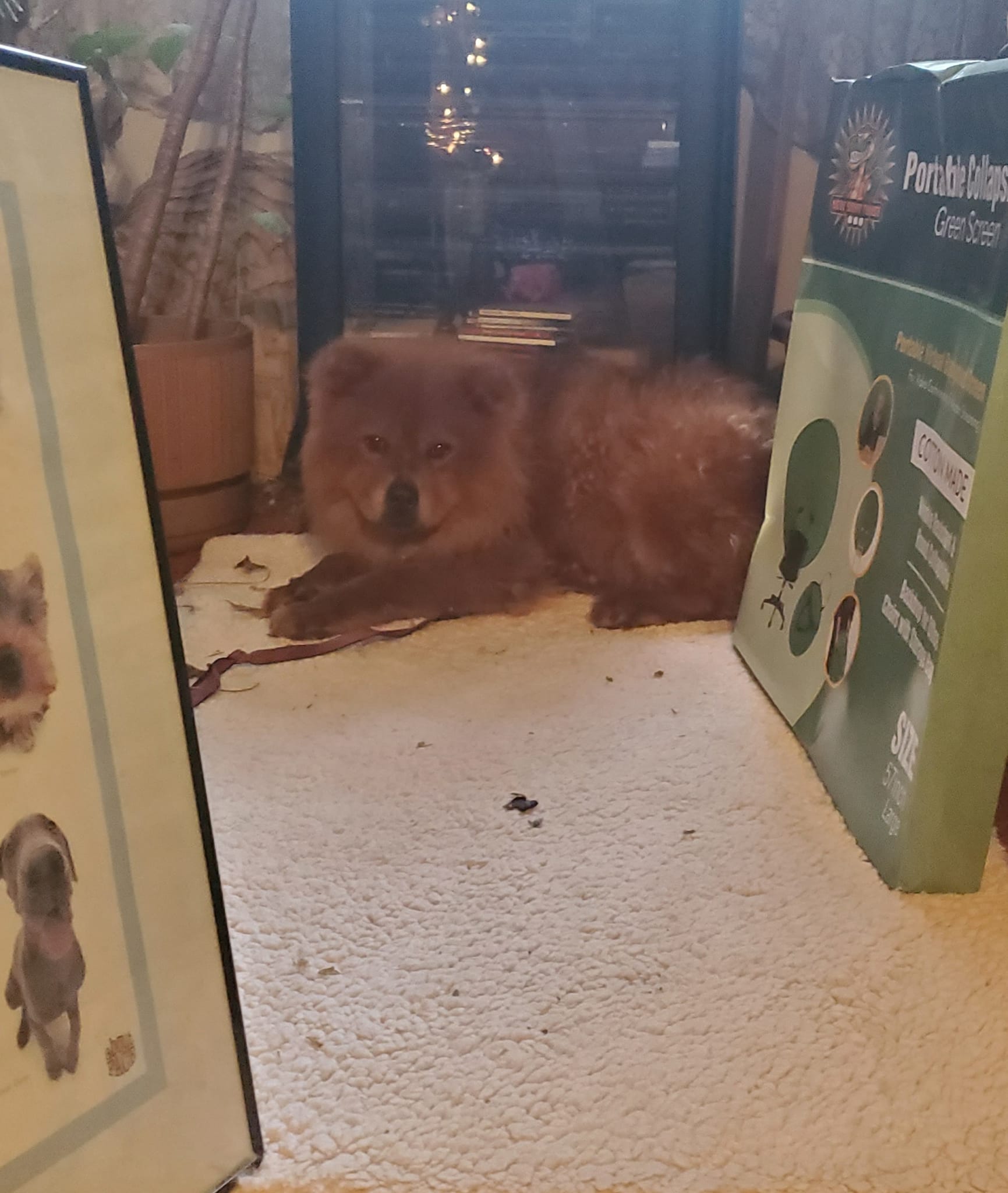
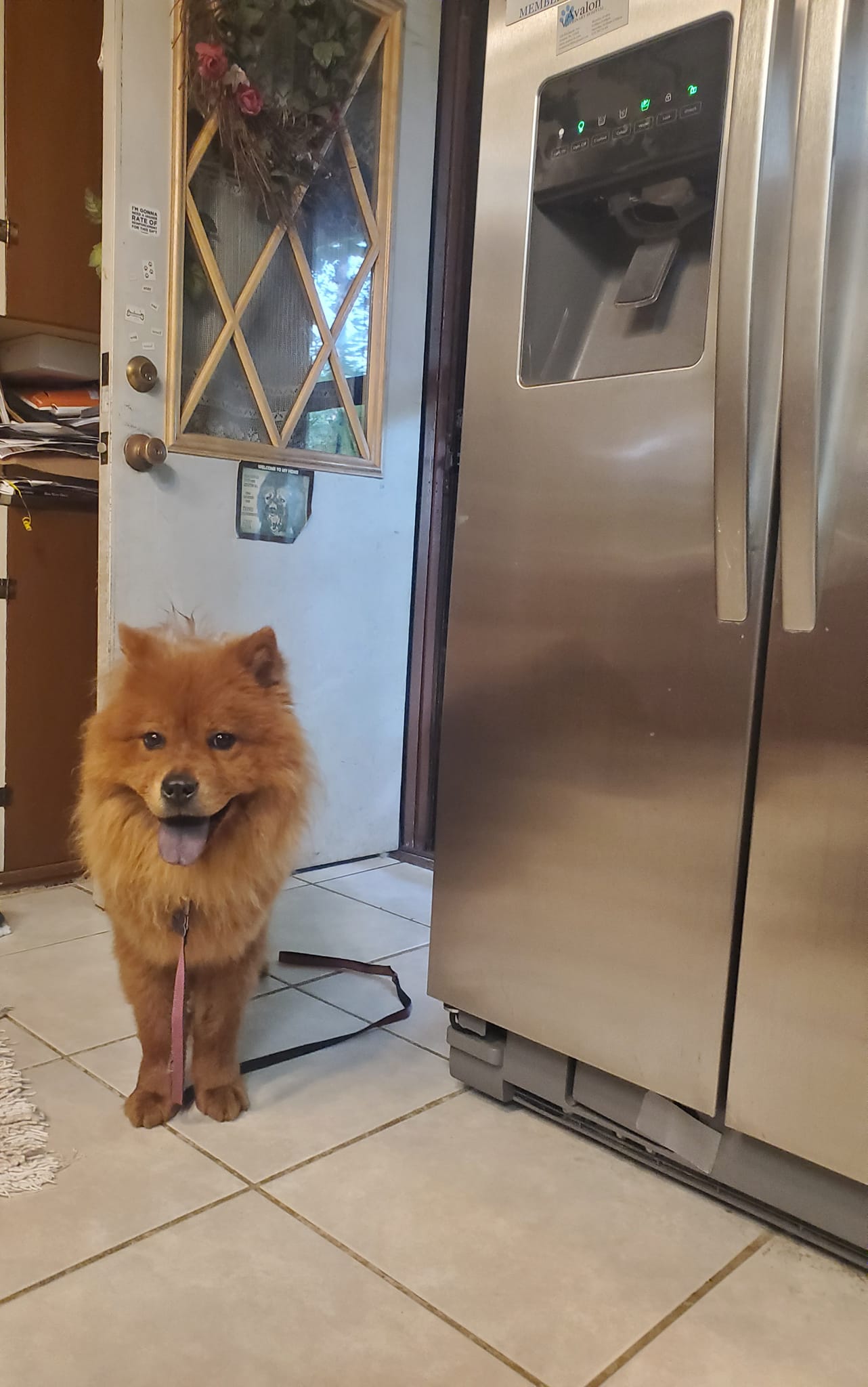
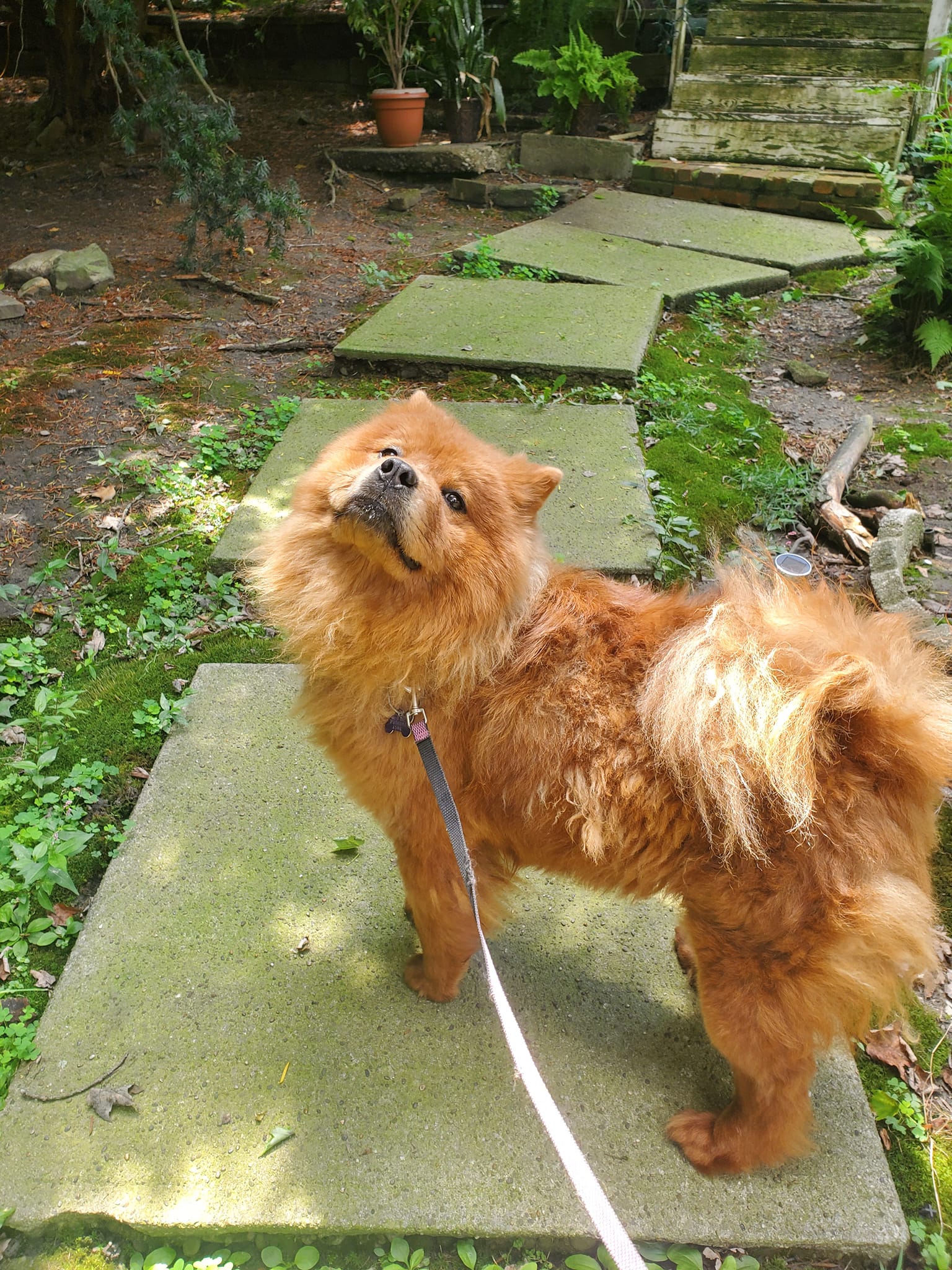
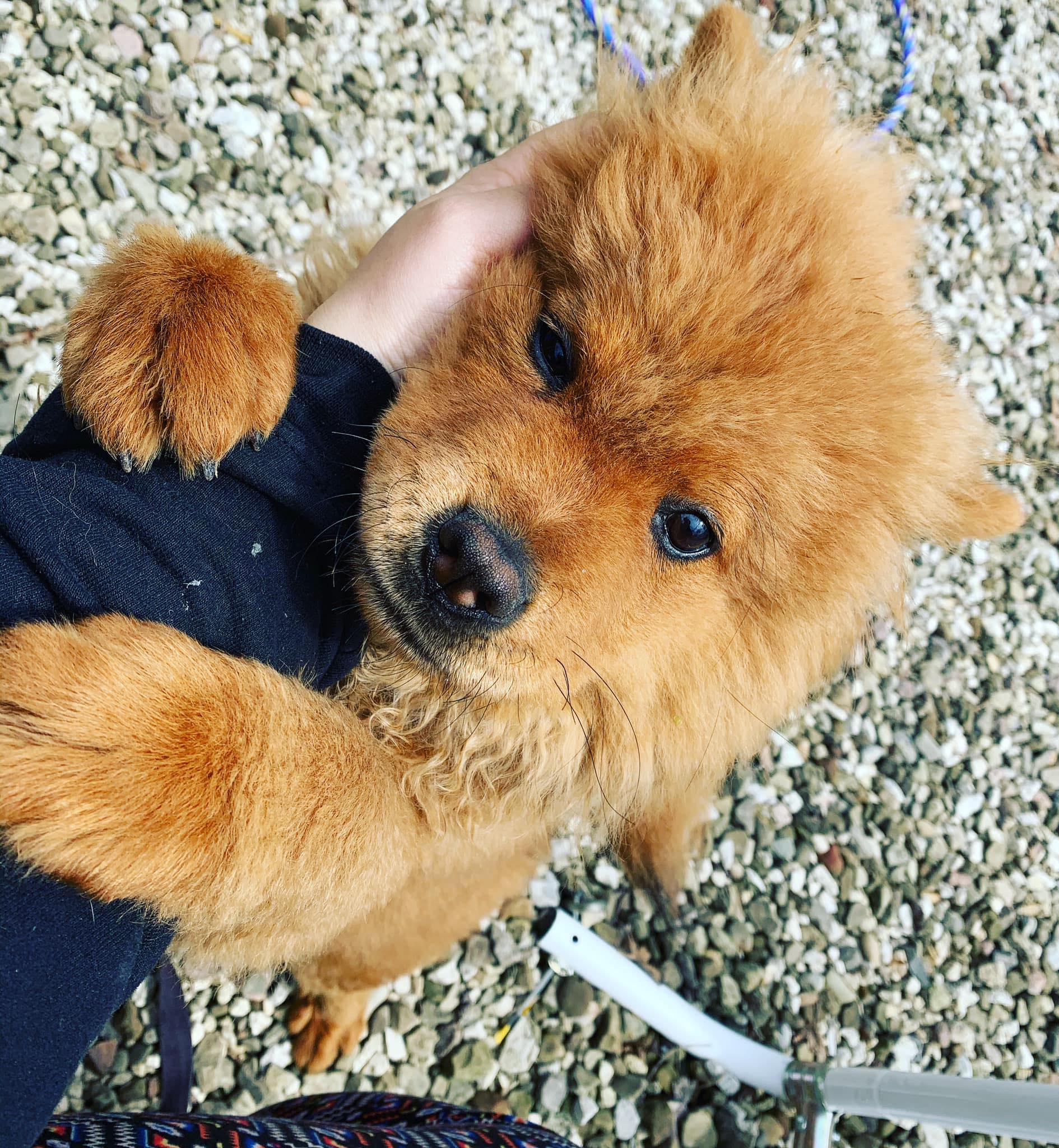
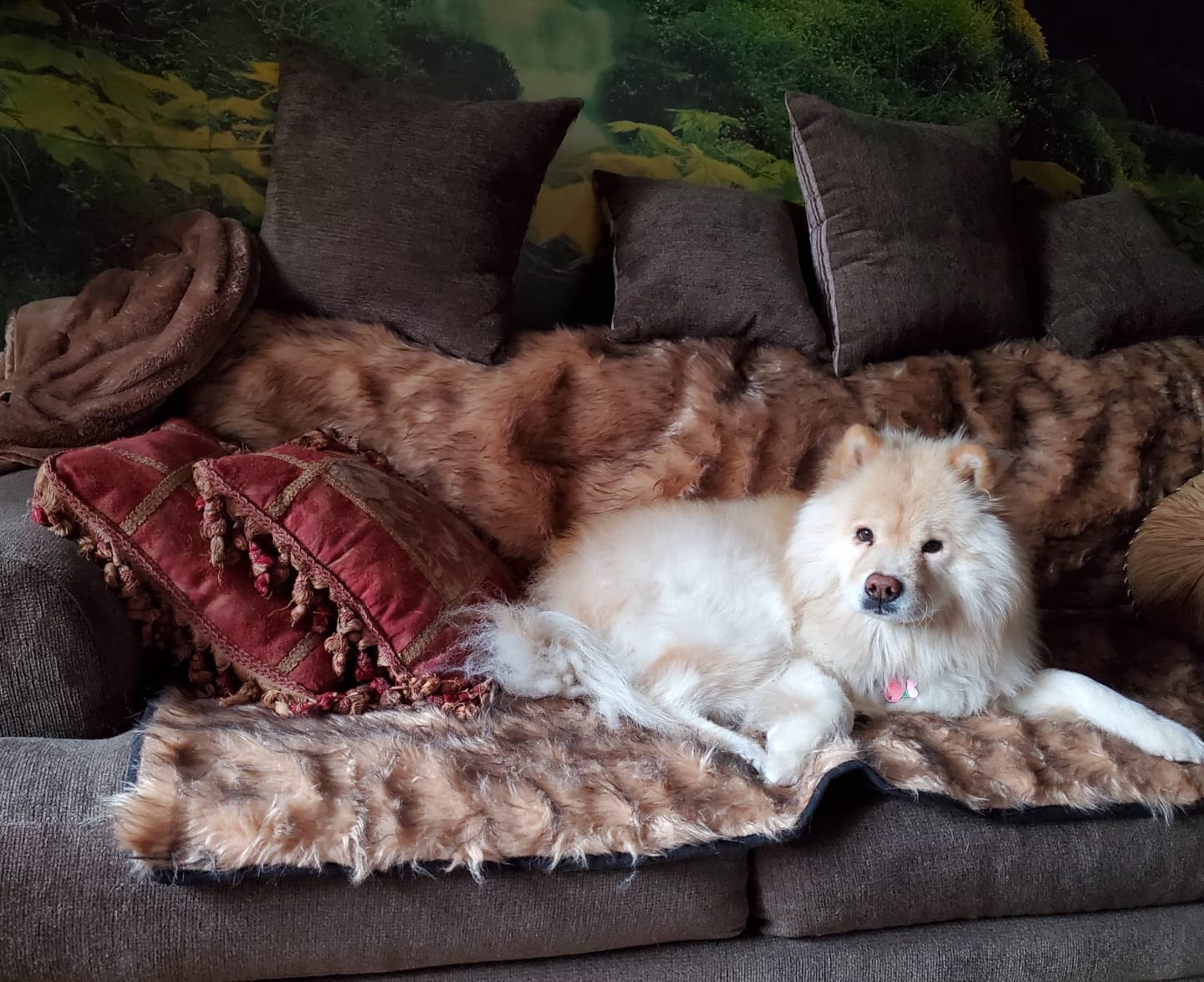
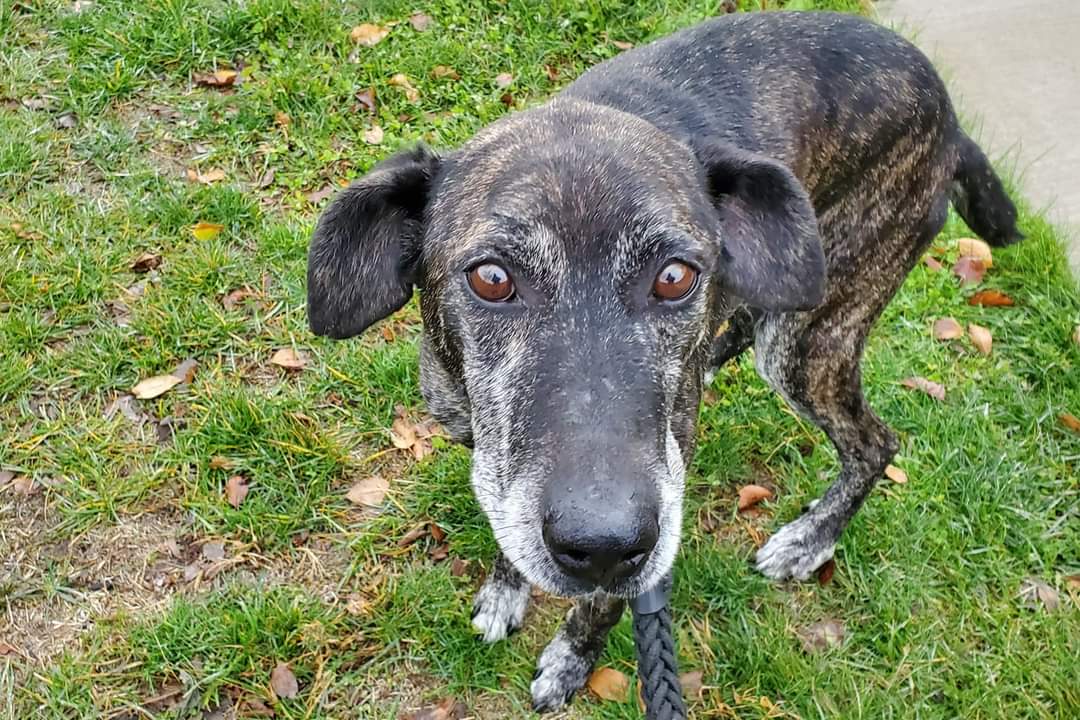
Kera: Princess of the Bed

Kera: Princess of the Bed

Trusting and listening to your “gut” can save you a lot of trouble sometimes. What’s important is to learn to connect what you think, to what you see. Body language is super important when it comes to dogs. Learn about it. Watch your own dogs and if you are not sure what you are seeing, then take notes on what you see and what you think about what you see. Don’t think about the latter too much. Just write what you think. Compare the two. Connect more dots.

Learning to connect what you see to what you think is vital to life with multiple dogs or any dog for that matter. Dogs are “English as a second language” students. The better that we are at listening to what they say, the closer the connection will be. Communicating effectively with them is important and helps to solidly build trust is built. Dogs love being understood. So do humans, for that matter!

Let intuition help with preventing and managing problematic behavior as well as earlier detection of some medical concern. If you feel “off” about anything, listen to what your intuition is telling you. I am a big fan of better safe than sorry. My intuition has served me well and I am always sorry when I chose to ignore it.

Now back to Kera. My intuition is telling me that she may not be with me much longer. Things have been declining for the last week or so, despite getting her treated for a UTI that I rightly detected via observation/intuition. Improvement has been very minor. I badly want to be wrong. I am taking it day by day.

This is harder to know what to do about than with Merlin. Cancer, especially the kind that Merlin had, is merciless. The effects of kidney failure appear to change daily. I don’t want her to hurt but I don’t want to say goodbye for now before I need to. So I spend each day hoping that my intuition will be strong enough that I will not ignore it because I am biased. I love her very much and I don’t wish to lose her or have two such large losses in such a small period of time. So for now, day by day it is. Wish me clarity.

In the meantime, please share with me how you use intuition with your own crew. I need to hear it.

New Year’s Resolutions: Exercise is Good for Body and Soul


by admin January 8th has one comment already!

Exercise: it’s addictive and a serotonin increaser. So why is it one of the first things that we cut back on when stress rears its ugly head? Go figure. This is exactly when we should make sure that we stay on the exercise track. Maintaining sanity has its benefits, both for people and dogs.

When it became clear that my last foster dog was also going to be my longest in residence foster dog (a year and a half total!), I gradually stopped my strength training routine. Oh, I said it was from lack of time, but it was really from the additional unresolved stress of having a dog in a house with four other dogs, that would be much happier as an only dog.

Then Merlin was diagnosed with cancer and the roller coaster ride of treatments began. And while I definitely continued with daily outdoor exercise for all of my dogs and myself during this hectic time frame, (including my foster dog, now in the best home ever I am happy to add!), Merlin had chemo complications periodically so we walked shorter distances and more slowly than in the past. Add to the afore mentioned complications, the fact that this past summer was one of the most hot and humid summers in much of the country, so we were actually forced to cut exercise shorter or slower on many days.

Walking Multiple Dogs for Exercise

Walking Multiple Dogs for Exercise

This is a long way of saying that we need to get back into shape. Merlin lost his battle to cancer in late September but for the approximate six weeks after his last bad chemo reaction prior to that, I credit gradually increased walking durations to getting him into his best feeling condition of this whole ordeal. Sadly, hemangiosarcoma doesn’t get cured by exercise alone but it sure got a run for its money.

Now that we are a three dog household with more time on our hands than in the past, I am resolved that we will be fitter, both mentally and physically, in this New Year. Exercise not only nourishes the body, it fills the soul as well, if you are an outdoor exerciser as we are. Stimulation of both the body and the brain does more for you than pretty much anything else I can think of.

So we are on a mission. Even Kera, who can sometimes only go short distances slowly, has increased her stamina enough so that she can walk at close to normal pace for what used to be a normal distance, at least several days a week! Kidney failure, be damned! We will show this silly thing called aging that we will be the winner! Every day we can, either pace or distance is increased, even if only slightly. We are happy with small victories. Even an extra five minutes a day or a twenty second run that we did not do the day before is something to celebrate.

Exercise is good for the body and soul.

Exercise is good for the body and soul.

My dogs and I love to be outside, no matter what the weather may be. Well, we can live without the heat and humidity but even then, we need the outdoors. We just choose locales with water they can lay in then. The wooded areas in particular make us very happy. And I am happy to add that strength training has been resumed, which is a big help with to sanity maintenance.

I want to know what sort of exercise you and your crew prefers and if you have any activity based New Year’s resolutions for yourself and your crew. Use the spaces below to share your thoughts. And get outside. Your dogs will pay you lavishly with happiness.

Out With the Old, In With the New? Not in This House!


by admin January 1st 5 comments

Old dogs, that is. Yes, I have old dogs. Well, older at least. There, I have said it. It’s a hard thing to admit. It forces one to confront mortality. We convince ourselves that ten is the new seven. In a way, it’s true. Dogs are living much longer these days than in the past. Part of that is because, in most cases, dogs don’t freely roam the streets like they did in our Grandmother’s day, facing dangers such as cars, angry neighbors, defensive wildlife and a host of other life shortening occurrences. Other reasons include better veterinary care, better nutrition and all around better care. Thank doG for this!

But older is still older and older is scary when you love someone. It’s especially frightening when one already has a recent loss of an older dog, such as with my Merlin. Yes, here I go, mentioning my dearly beloved boy again. Thanks, dear readers, for your patience with me on this subject. Merlin will forever be sorely missed, though I do try very hard to not mention him as often as I think of him. In any case, Merlin was about to turn thirteen years old when he left this world for the next one in late September.

So it was with some terror that I watched (and rejoiced) as Kera turned thirteen in late November. And then again when Siri turned ten a couple of weeks ago. Trent turned seven in August. That event solidly placed him in the senior category. Technically, all of my dogs qualify for the dog equivalent of Social Security. I am running an assisted living center for senior dogs!

But you know what? Other than Kera’s kidney failure, which is successfully being managed for the moment, my crew act years younger than their chronological years. They hike or walk daily for forty to sixty minutes most days, they eat healthy foods, they play (well, Trent and Siri do) and they are engaged in this world. Kera’s engagement is aided by the wonderful medicine for senior dogs called Anipryl. I cannot thank the universe enough for this drug. It has given me Kera back. Without it, she is in a fog of confusion. Too bad this stuff doesn’t work for Alzheimer’s patients.

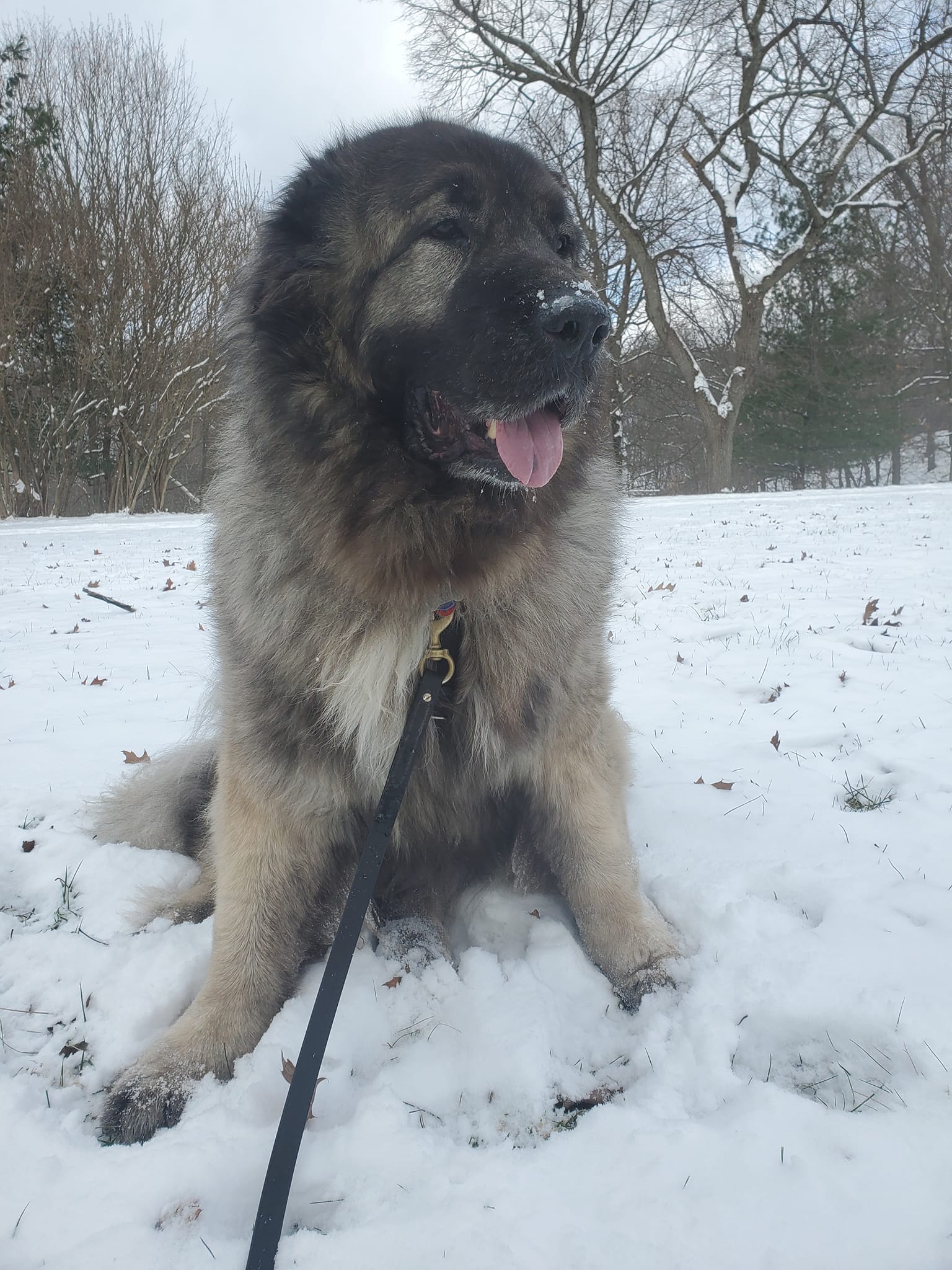
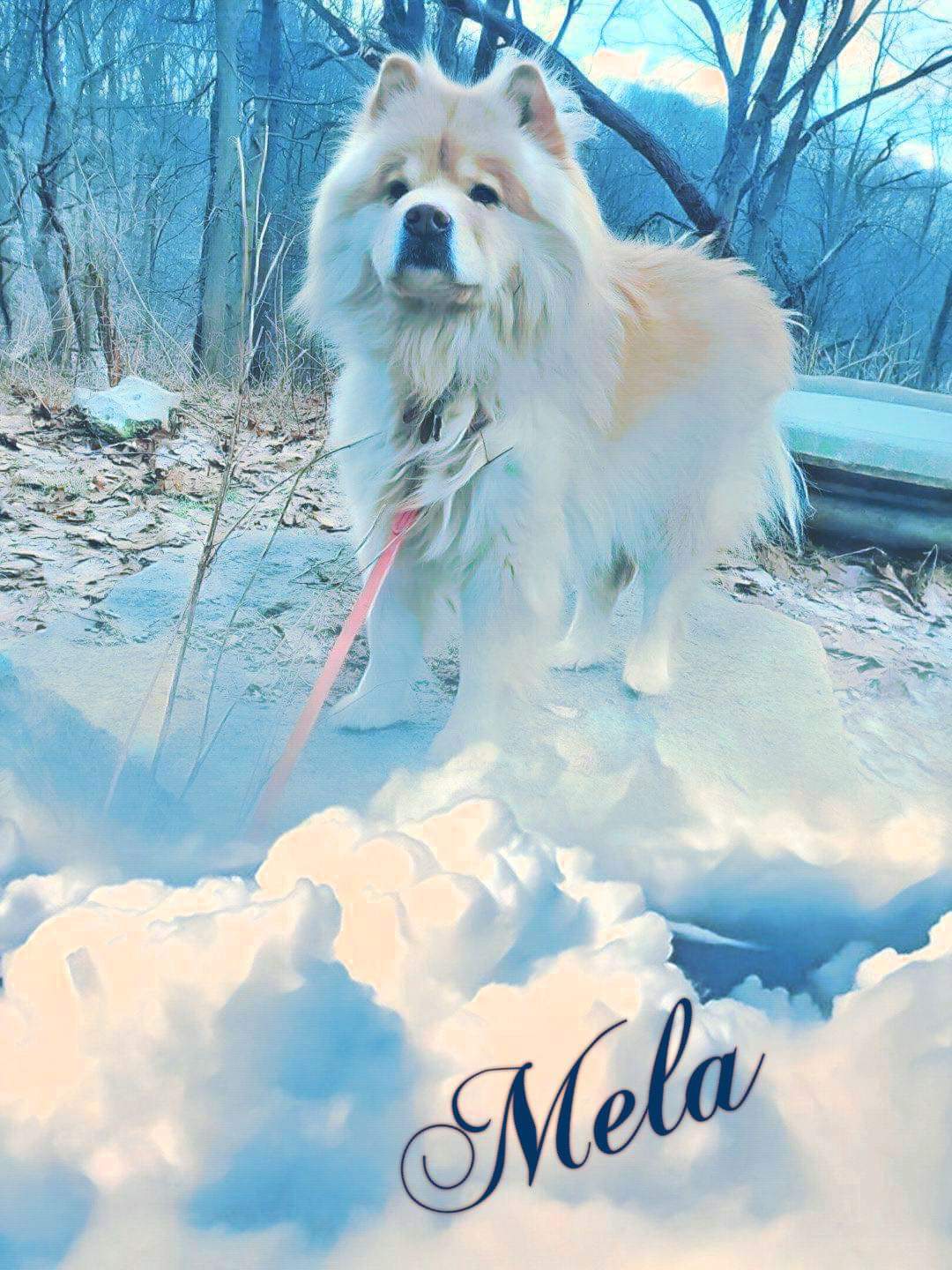
The three "old" dogs love the snow.

The three 'old' dogs love the snow.

Older dogs are underrated. They are usually “done cooking”. In most cases, they get mellower. Take Siri, for example. She has delighted in scaring shier visitors for most of her life with her fearsome Rottie bark. New people in her life had to be bold. She caves to bold. She is a big baby at heart. But these days, she welcomes anyone I welcome. I like it.

Trent? Well Trent still has some opinions about some other dogs he may see while on leash, but he has definitely mellowed with the years. And what is more important, he has learned to trust that I will keep him safe.

Kera views walks as one of the most important things in her world. Pre-Anipryl, a walk was the only time I got to see her smile. With Anipryl, she still thinks she can chase squirrels and deer. And thinking she can is half the battle.

So while puppies may get most of the attention at this time of year, I think I will keep my “old dogs”. They make me happy. They make me smile. They teach me patience and one can never have enough patience.

So in honor of all the “old dogs” in your life, take a moment to tell me about them in the spaces below.

May your 2012 be filled with happiness, peace, prosperity and love, especially love of the furriest and purest kind.

Visions of Bully Sticks Danced in Their Heads: Holiday Traditions


by admin December 22nd has no comments yet!

This first Christmas without Merlin weighs heavy on me. I am not sure whether my dogs feel the same but I suspect that they share a bit of my melancholy. One can never be sure so I aim to make their holiday as similar to past ones as I can.

I confess that I almost didn’t put up a Christmas tree this year. Oh, I decorated all right. In fact, I decorated earlier than usual, though not as elaborately. Missing are the lights on my lovely wooden privacy fence that would normally fill the winter night with a glow. But the inside of the house is almost as usual. I needed that much.

However, the typical routine was for Merlin to lie comfortably on the couch while watching me traipse about with a ladder, swearing occasionally and making a huge mess. My other dogs were never interested in watching this debacle and that tradition maintained itself this year. That alone made decorating much more somber.

So I decided that instead of a tree, I would decorate my many very large indoor floor houseplants. That plan lasted until this past weekend when I just “had” to have a tree. I’m not sure if it was for myself or to make sure that my dogs had as many of the same traditions this year that they’ve had in the past, or a bit of both. Either way, it’s up, it’s lit. The dogs know that pretty boxes and bags full of lovely smells typically get placed around it…boxes that they’ll get to open at some point in time. I wanted that feeling to be here this year, despite our huge loss. Putting boxes under the Sheffelera they live with year round would not allow me to honestly say that I was carrying on the tradition.

Kera waiting patiently near the Christmas Tree

Kera waiting patiently near the Christmas Tree.

My dogs have always gravitated toward the tree and like to lie near it, but they have never bothered it. They always seem to have found it as peace invoking as I have. Maybe because we have always been such an outdoorsy family; the woods are in our blood. Pine trees equal peace. As I write, three dogs are sleeping deeply around me, one of them in front of the tree.

Their stockings are hung, some of their presents are bought (okay, I am not an early shopper) and they will have their usual holiday traditions that they’re used to. Decorations as usual, constant carols on the radio, wrapping gifts in secret, opening a gift each on Christmas Eve, a hike the next morning after more gifts, chewies while the turkey dinner cooks, family for dinner and sleepy full-bellied lounging after dinner, perhaps chewing on a bone. Our loss will not be forgotten that day but I will make sure that Merlin’s memory is honored by continuing with the traditions that he so loved. Traditions are important. We will, of course, make new ones in time but comfort comes from those we know and love.

So, to continue with the new tradition of a more interactive blog, I want to hear about your holiday traditions with your own crew, regardless of the particular holiday that you celebrate.

May the spirit of this season be with you as often as possible, all year ‘round.

Blessings.

Debby.

Muses and Musings: Life with Three Dogs


by admin December 15th 3 comments

It has been requested that I update this blog more frequently but more succinctly. So here I go, as told. But my compromise on that suggestion will be to write lengthier prose approximately once a month or so. This is not that once. This is my shorter observational update. I have been wracking my brain for a topic. Nothing comes to mind readily other than what has been forefront in my brain. So you are getting that. Be patient with me please.

I miss Merlin. Very much. But not only that. His non-physical presence has made my other dog’s personalities much more apparent. Of course, I knew my other dogs well when Merlin was still alive. That isn’t it at all. But without him being here doing his regular thing, I have noticed much more about them.

Some of the things that I have noticed: none of my other dogs is much of a question asker or a status quo shaker upper. Of course they are intelligent. That isn’t what I mean. They are interested in life. They don’t readily accept boredom. But they are more accepting of my decisions. You’d think that a dog trainer would like that trait.

But I now sit on the computer far longer than Merlin would have tolerated. No one comes to ask when dinner is going to happen like he did. They just accept that it will and are far too patient with me. No one asks for a particular path while walking or hiking like he did. They go where I lead them quite happily. No one thinks of things to do after dinner like he did. We relax rather than toss a few toys about before relaxing. No one objects if we don’t go through a drive-through something after a walk or hike. Merlin would poke his nose up front in my car and “ask”. And the answer for him was always “of course”. He had fans everywhere. I could go on about the things that are different but you get the idea.

My dogs personalities are emerging, but things are almost too relaxed these days.

My dogs personalities are emerging, but things are almost too relaxed these days.

My other dogs are loving, charming, sweet, affectionate, smart and possessing of many individual traits that I absolutely adore. But they are not the inquisitive, insistently interactive, busy-minded, innovative and amazingly adoring of being with me all the time creature that Merlin was (and is still, somewhere, but not with me physically at the moment). So I have a void. A large void. I am not sure how to fill that void just yet. I am working on that. I know now that I need that challenge in my life though, so thank you once again Merlin, for the lessons that you have taught me.

All this contemplation leads to what I actually wanted to ask of you all who are reading this and being so patient with my ramblings. I want to hear how YOUR dogs differ from one another and what you value from each dog that you currently share your life with or did share your life with. Use the comment lines below to share that with me if you please. I’d love to hear it. “Tis the season for appreciation.

In the meantime, hug your dogs, all of them, and appreciate their individuality and love them for it. Happy holidays to you all, regardless of which one you may celebrate, from me and mine.

Yours, Mine and Ours: Teaching a Wordless ‘Leave It’ to a Multiple Dog Crew


by admin December 8th 4 comments

‘Tis the season for food in abundance and celebration en masse. Platters are laden; counters and tables hold feasts not seen on a daily basis. Temptations are great for both man/woman and beast alike. It’s hard enough for humans to not partake in excess. Yet many people expect their dogs to ignore such delights completely without giving a thought to training them for such a feat in advance.

Do you banish your crew from family gatherings that include easy access to tasty treats for fear of extreme counter surfing activities? Or do you include them, but live in fear of a guest dropping a morsel of food that isn’t dog friendly and having to move faster than you ever wanted to? Fear no more; train instead!

Leaving things alone that you have not personally provided to your crew is a behavior that should be a priority from day one, but it’s never too late to start. But train in advance of the need so that you and your pups are not frustrated. Until your crew’s training is perfected, practice good environmental management. This includes not leaving enticing things within reach on counters, tables, floors, etc.

Never reward your dogs in any way for jumping up on the same raised surfaces, such as with petting, verbal comments, etc. If you drop something onto the floor that you want to give to your dogs, pick it up and hand deliver it to them rather than pointing it out to a dog or two to get. This is a good idea all around when you have multiple dogs anyway as a lone high value morsel on the floor is a recipe for a brawl in some households!

Teaching a wordless leave it takes time. How much time will vary with each dog. Some dogs have better natural impulse control than others and some dogs simply pick this up faster than others. It is imperative that you teach this behavior one-on-one with each dog prior to trying it in a group, especially if you have any guarding issues with any of your crew members!

Wordless leave it? Yes, indeed, wordless. Do you really want to have to endlessly tell your dogs to leave things alone, especially at this time of year, when the temptations are many? Wouldn’t it be so much more convenient to have them simply do it without being asked? Indeed it would. How you achieve this is in carefully trained steps. Here they are:

•Take a really high value treat in one hand and show it to your dog. Have more of the same treats in your other hand ready to offer as a reward. Put that hand behind your back.
•If your dog licks and paws at your offered hand to try and get the treat, don’t say anything. Simply wait for him to stop, however briefly that may be. It may take a bit and you may have to wear thin gloves to prevent your hand from getting scratched if your dog is super intent on getting the treat RIGHT NOW! Do not say anything to try to get your dog to stop, just be patient. The second your dog stops trying to get the treat or looks or backs away from the treat, even for a second, say “yes!” and offer a treat from your hidden hand. Be sure to be very enthusiastic in rewarding your dog verbally for a job well done. The timing of the marker word is important. That comes first, at the very moment that your dog makes that good decision. The treat comes after the verbal marker.
•Switch hands each time you repeat this procedure until your dogs starts looking at the hidden hand when you offer your hand. When this happens, you will switch to all treats in one hand, rewarding from the same hand that you have the treats in.
•Next you will place the treat inside your closed hand on the floor. Repeat the already described protocol, rewarding appropriately. The floor placement will make this procedure harder at first, regardless of how well your dog just did on the previous step. When your dog totally gets this step, it’s time to move on.
•For the next step, you will partially uncover the treat on the floor, being very careful that you can cover it before your dog can grasp it if he moves to take it. Remember, you will not be verbally correcting your dog at all. Your role is to mark and reward the behavior you want and only that.
•Next you will uncover the treat even more, again taking care to be faster than your dog should you need to be. It is of vital importance that you move at the speed that your dog needs, in order to make this a solid behavior. This is not a competition. Your goal is to train this into a solidly understood behavior.
•Every success with several repetitions within an individual training session is a cue to move forward to the next step but do so only briefly. End each session on a positive successful note.
•It is important to practice this behavior in any room that it would be applicable in as well as outdoors if appropriate.
•Your goal is to progress to a point where you can toss something on the floor and have it ignored, though I would suggest that when you begin to practice with this step, you leash your dog. You will also play goalie with this type of practice by placing your body between the treat and the dog, as needed. Never use the leash to separate the two, just the body language. This will turn into a situational cue. Your guests would not know what to say to keep your dog from going after something that they dropped on the floor but they will automatically reach for it, cueing the dog that it is not theirs. You will, of course, again mark and reward your dog for the exact moment that he chooses to not go after the treat. (a hint for this particular step: use a higher value reward in your hand than the one that you are tossing)

The holidays should be a fun time for all. Training your crew to ignore yummy feasts by teaching them that they get paid well for good decisions is a win/win situation for all. Wishing you and yours a happy and safe holiday season, regardless of what holiday you personally celebrate, from me and mine.

Clash of the Titans: Multiples of confident breeds CAN be done!


by admin November 17th 2 comments

This blog is probably going to upset some people I like and respect a lot, but the information that it contains needs to be more widely understood. So I will hope that while some may disagree with me, they will keep an open mind. Behavior is behavior is behavior, I always like to say.

Strong confident breeds can successfully live together with minimal issues. It very much depends on the individual dogs in question but even more importantly, it depends on the human part of the equation. Strong leadership in such a household cannot be overemphasized.

This does not in any way, shape, or form involve scaring your crew into submission. Leave the dominance style training methods back in the dark ages where they belong. I very much believe in the power of positive leadership and training. Good leadership is very much like good parenting. Instilling manners, creating routine and structure, and most importantly, clearly conveying your expectations to each dog in your home should be your status quo.

A working knowledge of your crew’s body language will help you maintain calm as will understanding their facial expressions and verbalizations. Knowing how to use your own body language to communicate more effectively will go much further than word cues that you have taught. Dogs pay much more attention to body language than words. Humans talk a lot. Dogs, not so much!

One of the biggest mistakes that people with a multiple dog household can make is to “let the dogs work it out.” I cannot stress this enough. Do parents let human children work it out? Not good ones! You are the leader/parent. You make the decisions/buy the dog food/pay the bills. You are the one who is in charge of keeping shyer dogs safe from bullying and teaching pushy dogs manners. Your dogs trust you to keep them safe. You set the limits and you enforce them. YOU work it out. Interrupting behavior that has the potential to cause an issue, at the very first sign of it, should become a standard procedure.

Human children should not be permitted to be rude with siblings and the same goes with dogs who live together. Being consistent with this message goes a long way toward keeping the peace on a permanent basis. You are always going to have dogs who are pushier than others and dogs who are shyer than others. This will happen regardless of breed. But when you have breeds that can have more of a tendency to have a short fuse, this can have terrible consequences if you don’t set and enforce rules about proper behavior.

I dislike labeling any breeds as potentially harder to deal with than others but some simply are as a whole, for one reason or another. Many are bred to have a job so there are genetics at play in many cases, even with mixes. Again, individual personality makes a huge difference but breed traits do matter. But here is where I differ in opinion from many on some breeds. I love Pit Bulls. I have one. He lived with three other dogs until two months ago, one a confident male. Now he shares his life with just two females. My lost love was a Doberman mix male. It was a bit of a rough start at first but not because of my Pit Bull, but because Doberman males can have a tendency to be same sex aggressive. While Merlin was never what anyone would call aggressive, he was intolerant at times of repeatedly overly rude behavior from other young males. This because I fostered a lot of adolescent Doberman males. It had a cumulative effect. This could have been a problem if I had let it but I was very observant of his body language and interrupted potential issues very early on as needed. As it should be, I might add.

Siri and Trent roughhousing, not left on their own to work things out.

Siri and Trent roughhousing, not left on their own to work things out.

This leads up my original point about Pit Bulls. They are not the only breed that was bred to fight with other dogs nor are they the only breed that has dog aggression in the breed standard. Many breeds do. It’s in the breed standard for Dobermans that same sex aggression can be a problem. Akitas have the same issue as can Rottweilers. There are many breeds that can have this potential so I dislike when Pit Bulls are singled out for special handling because of this. The list is long for dogs that can have this issue, sadly.

I know many people have successful multiple dog households that include these breeds and often a mix of “problem breeds”. It can be done. It can also involve a lot of work for a while and sometimes it means being forever on alert. But if you are the right person for such a household, then it can be a lot of fun. Breeds that are bred to have jobs are fun to have around. They are smart and active and keep you on your toes. But they are not for everyone. That is an important distinction. And they should NOT be owned simply for a status symbol.

Not everyone wants to be that much on their toes so think hard before you decide to take on such a task. This is a commitment. You cannot slack off on the training until your household is fully established. Even then, changes in life routines can sometimes spark a spat where there previously was harmony. But don’t be too daunted: learning to be observant becomes second nature with most working dog multiple dog households. It just takes time.

Many multiple dog households such as this can safely be established to the point of safe when alone as well. But this will not always be the case. You MUST know your own dogs. That cannot be stressed enough. If there is even the hint of trouble between certain dogs ever, then until enough time has passed that you feel safe turning your back, those dogs MUST be separated when home alone. Do NOT take chances.

Any fighting of any kind is the signal to get in-home professional assistance. No one can solve such a problem from a distance. Seeing the interaction is imperative. Most spats between dogs that have not been fighting (whether verbal or physical) badly can be solved if the behavior has not become habit. Some can not. Only someone on the spot can determine that. If you need such assistance, contact us here and we will help you find someone qualified close to you.

To prevent issues, training manners and politeness is your first order of business. I do not tolerate any dogs in my home being unaware of whether they are knocking other dogs over. I will immediately get between a dog who is happily wagging her entire body while knocking over a frailer dog behind her. Rushing through doors and knocking other dogs aside doesn’t happen here either. Rude pushing to the head of the line for treats get the offending dog treated last. I will stand tall (at all of 5’!) with my hands on my hips to convey displeasure at certain behavior. It gets the point across. I call it the “mom stance”. It works without word and it’s not overly intimidating.

Mealtimes at my house are polite. Everyone has their place and no one tries to get anyone else’s food. There is no guarding of high value items and if one dog does take another dog’s chewy, it gets immediately returned by me. If there is any hint of guarding anything, the offending dog loses whatever it is, be it a couch, chewy, bone, etc. Everyone takes turns with treats, pets, cuddling, etc. If there is a problem, my dogs look to me to solve it. This is the attitude that you want your crew to have.

I have spent a lot of time training impulse control and manners and you should too, if you expect to have a smoothly running household that includes some active thinking breeds. My dogs get along so well, that they are all together when alone. I did not approach this carelessly, however. When Trent (Pit Bull) joined our household at the age of 13 months, he lived the life of a foster dog with his own room when alone, until I was very sure that all would be fine when integrating home alone time.

I would also like to emphasize that if you have such active confident breeds, every day exercise is of the utmost importance. Dogs that are bred for a job need to have activities to exercise their brains and bodies sufficiently or they will create their own activities. That can have tragic consequences.

Here are some real life scenarios that will shed some light on what it takes to do this properly:

Chris in PA has three German Shepherds: a female and an intact male and a neutered male. All three get along great, after some heavy work on her part. They eat high value foods near one another and chew high value chewies near one another. She breaks up rough play periodically to lower the excitement level. Chris expects to be training her dogs for their lifetimes. But for her it has become second nature.

Renea in Wisconsin has ten Australian Shepherds: four males, three of whom are intact and six females, two of whom are intact. Some dogs are crated when home alone and others are free. She is a professional trainer so she has spent a lot of time reinforcing proper choices by the dogs with one another. All dogs are together when the humans are home and all sleep in the same room as the humans. She controls the resources in such a way that everyone has plenty so there is no need to guard. If an issue arises, the item gets removed. Renea’s dogs get a lot of exercise in the way of various training maneuvers as well as herding.

Amy in Chicago has two Vislas, a male and a female, both altered, two Toy Manchester Terriers, both female, one altered, one about to be altered and a spayed female Doberman. All are loose together whether alone or not, after being integrated into the household. Amy also fosters rescue dogs so she takes integration slowly as needed. All new dogs are crated until trustworthy. All dogs are trained with impulse control around food. Her dogs have also been heavily socialized with day care and training trials. High value items are only out when she is around but lower value toys and chew things are out all the time. She is careful with close quarters such as doorways, which is a really important thing to be aware of with such a crew!

Denise in New York has a male and female Doberman and a male Catahoula mix as well as a visiting male Pit Bull several times a week. Her dogs have been heavily socialized so they do well with other dogs. She keeps a regular schedule which she believes helps her dogs be calmer as well as provides regular off leash exercise and playtime. She has taught her dogs that she will handle things so they look to her to direction. She also fosters and boards dogs occasionally and her dogs are welcoming to new arrivals.

Jamie in PA has two male Pit Bulls, a male Lab mix, a female Lab/Boxer mix and a female Spaniel mix. She has spent time using positive reinforcement training to teach her dogs both verbal and word cues. She is also has a background in human behavior so that helps her to reinforce good behavior within her crew while simply living life, which many people don’t understand is needed. The boys are crated when home alone and the girls are loose, though occasionally the four year old Pit Bull is loose with the girls without incident. She provides strong leadership, lots of exercise, a predictable routine and interactive toys inside and out for her crew. The boys play just fine together and all can get high value bones together in the same room without issues.

As you can see, there are commonalities among the scenarios. Leadership, routine, exercise, managing resources, careful integration, space management and impulse control training are all valuable tools. Having such a crew can be very rewarding but it comes with a commitment. Do not take it lightly but if such a household is the right one for you, do your research and go for it! You will get rewarded with a lot of love.

And Then There Were Three: Love, Loss and the Multiple Dog Home


by admin October 5th 12 comments

Merlin_no text

Merlin

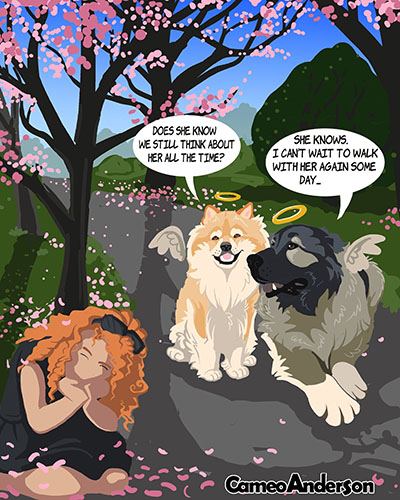
I did not yet expect to find myself in this position, though some would say that I should not be surprised. Merlin was, after all, about to turn thirteen years old and he had been battling the worst of cancers, hemangiosarmcoma for over seven months. He had been beating the odds so I got a little more secure than I should have gotten, I suppose. I should probably explain before I go much further, that my heart dog, my sweet baby boy Merlin, crossed the Rainbow Bridge on September 24, 2011.

Normally, I would not be writing another blog so quickly after just completing one. But this one is more personal than most. I need to tell it if only to get it out of my system but maybe my experience can help other multiple dog households that find themselves in similar circumstances, though I would not wish this on anyone.

It all started in February of this year when we had to rush to the vet only to be told that an unknown mass was showing up on an x-rays. Several doctors later, after said unknown mass’ removal, it was diagnosed as the dreaded afore mentioned disease.

I must be completely honest as I expect that the same thought has crossed the minds of other multiple dog parents. My first thought was why THIS dog. Please don’t misunderstand me. I love all of my dogs more than words can convey. But this dog is/was different. He feels like part of my DNA. My heart. My soul. Maybe it was because he was my first boy dog. Maybe it was how we chose each other. Maybe it was any number of things but WHY THIS DOG??? That question may never be answered but because it was THIS DOG, maybe the lessons learned on this roller coaster ride will be more firmly imprinted in my soul.

Thus began my journey to try and save my dog’s life, at least from this horrible disease. This process necessitated that much more time be spent tending to Merlin than my other three dogs, what with multiple consultations with specialists and seemingly endless chemo visits and follow up check-ups. And let’s not forget the additional pills he was getting and endless research into what might help him live longer.

Merlin reveled in the attention, being the Velcro boy to me that he was. But quite frankly, he was always the one to ask for more attention so this was his show now. This could have easily caused quite a few problems with my other dogs. They could have easily been very jealous and started acting out as a result of that jealousy. But they didn’t. I am very lucky that was not the case. But most of this was not blind luck. It was actually the result of setting up my fur family to roll with the situation that they are presented with.

How did I do this? I forged a very strong relationship with all of my crew from day one, based on mutual respect and love. I made it clear that everyone mattered in this household and that all creatures here should be respectful of each other in any way that they can. There is little pushing and shoving here. Everyone takes turns. Everyone gets loved. Everyone gets snuggled. Younger pups are taught to be body aware of older pups. Older pups are taught to be patient with younger pups antics. No one takes anything from anyone else without permission. We watch out for each other. If one hurts, we all hurt. We are one.

Everyone else seemed to realize that there was a need to be okay with Merlin’s multiple car trips alone with me. Maybe he smelled different. Of course, he smelled different. Dogs are able to detect cancer with their noses after all. They had to know. Too bad they can’t talk. Wouldn’t it be nice to be able to ask them what they thought of all this? Maybe not. Maybe that would involve a more openly raw emotional discussion than any of us can deal with right now. We communicate without words. That is enough. It’s all I need. It’s all WE need.

In any case, I tried very hard to make up for extra time with Merlin. I made an effort to give each other dog extra attention at home. I spent time having special group time for us at home. There were extra group trips together and longer group walks. There were extra chewies and as many play times that I could get them to agree to. I think they were okay with it.

I would be lying if I said that I handled all of this perfectly. Merlin was my heart dog. It’s hard to hide that kind of panic for my baby’s survival. I am sure that I spent more time snuggling with him than the others more than once. I know I did. I am sure that I showed anxiety at too much body bumping by the others more than once. I am sure that all that fussing over whether he was eating or not, did not always go unnoticed. I am sure that I showed more stress than I would have preferred far more than I would have liked. But thankfully, they rolled with it.

There were small signs that at least Siri was a bit stressed about the somewhat unequal attention. She was a bit pushier than usual about treats but that is also very Siri-like at many normal times. She does lean towards pushy. Other stress signs included the growing group reluctance to eat their breakfast, whenever Merlin was feeling poorly. I assumed it was because Merlin was eating special meals so I always made sure that they got some of what he was eating. That sometimes worked but not always.

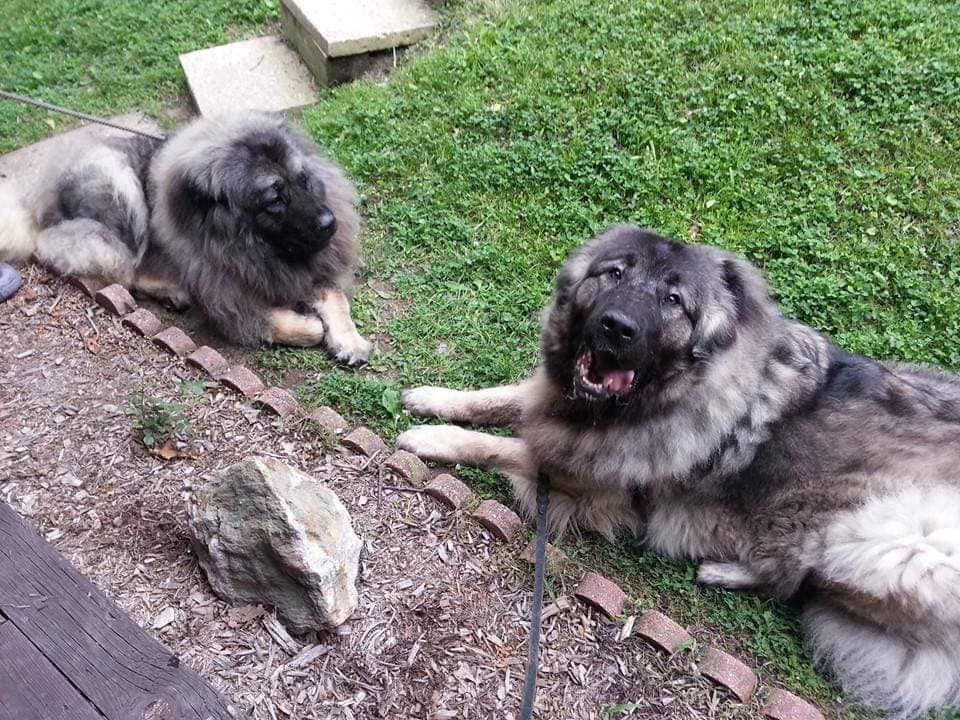
Trent, Siri, and Kera

Trent, Siri, and Kera

Now that Merlin has left us for the Rainbow Bridge, I know that the stress signs were actually worry for him. Now they are eating the same thing they were eating before, with gusto. They were worried about him. They no longer have that worry. Siri would go and smell him or nudge him gently when he would not eat. Now she knows he is free so she eats. It is important to realize that ordeals like this also cause stress on your other dogs. They are not blind. They knew something was wrong.

The others were okay with us walking slower than usual when Merlin was tired after chemo. They were okay with shorter walks. They were okay with what were not actually even walks at times. I was also not up to much on some days so on those days, we would go to one of our favorite places and the dogs were free to walk about off leash as much as they wanted. This allowed Merlin (and Kera, who’s back legs are not what they used to be) to simply lay in the grass and chill while the others walked. After Merlin’s first scary brush with mortality, about a month and a half prior to when he left us, we had such a trip. Merlin did not want to get out of the car at all for the first fifteen minutes we were there. He was gaining his strength back. He just lay in the car with all the doors open and watched and grinned. Siri stood sentry by his door and would not move until he opted to come out. Then she happily escorted him to where he chose to lay. She also followed closely behind when he decide a bit of walking about would do him good.

They were all present when he went over the bridge. He had another bleed (an HSA term that I hope you never need to know more about) and he did not recover so I chose to end his suffering. We have a wonderful in-home vet here who specializes in hospice patients. I called my friend who had recently used her and learned that the vet would be dropping off ashes at her home that morning. My friend lives a short half a mile from me so my decision seemed to be confirmed by this coincidence. With my friend there to assist with my other dogs, Merlin’s passing was as peaceful as it could get for such a situation. Certainly more peaceful than the extreme discomfort he was feeling before hand.

The other dogs were permitted to say their goodbyes as well. Siri sniffed him, Trent was very nervous and refused to look at him. Kera, well Kera stepped on him. She’s going a bit senile sadly. After the vet left and took Merlin with her to be cremated, I spotted Siri sniffing the bed where he passed. They spent the rest of the day with me mourning in bed. No one protested the lack of a walk that day. They stayed close by my side and we comforted one another.

A short three days later would have been Merlin’s thirteenth birthday. I bought them vanilla ice cream to celebrate as that was Merlin’s favorite vice. And they enjoyed beef tendons after dessert. Or rather two of them did. Trent was reluctant to chew. On a hunch, I sat with him and hugged him and told him that our little boy would want him to enjoy him chewy in his honor. I don’t know what words he actually understood but after our snuggle and chat, he chewed his chewy.

There are other signs that they realize we are missing a crucial family member. No one wanted to lie on his bed for several days. No one will take his usual spot in the car. But on the opposite end of the spectrum, two days after Merlin left us, I spotted Siri coming out of the bathroom while I was working on the computer. Merlin loved to lay in there and watch me work. Siri never goes in there. She was seeking his presence, I believe. I hugged her.

We are all trying to remember just the happy times now, I think. I would be lying if I said that I missed the extra work, the amazing stress of always having this potential sadness hanging over our heads and the effort of trying to be positive every moment. But I would gladly do every single second of it all over again if it meant I could have my baby boy with me again. I have too much time on my hands at home now. I keep busy. It is evident that Merlin was the one of my crew with initiative. My other pups mostly wait for me to cue them. Merlin was a question asker. I am encouraging them to ask their own questions now.

I don’t really know what all I can advise as every situation will be different. But maybe some of what I have done with my crew can help shed some light on another multiple dog household that finds themselves in this position. Be positive, take care of yourself and ask for help when you need it. You have to be taken care of to take care of others. Never forget that. Find a support system and use it. The internet is a great place for that. Use it. I did and I am grateful for the support that I got. Godspeed to all those special pups who are leaving us for the moment. And hugs to the pup parents.

To my sweet baby boy, until we meet again, I love you every second of every day.

To Cue or Not to Cue? Manners in the Multiple Dog Household


by admin September 26th has one comment already!

Manners. The word has less meaning these days it seems but in the multiple dog household, establishing manners can mean the difference between chaos and calmness. Manners do not come without training. Especially in the multiple dog household. Spending some time instilling manners among your crew will not be time ill spent.

Manners and politeness as the typical status quo can prevent issues from arising. If your crew is used to saying please and taking turns, then a misstep is unlikely to cause an uproar.

The individual needs of your household will vary. It’s up to you to decide what behaviors to teach. But there are several basic areas of living with multiple dogs where teaching manners can make your life less stressful and who doesn’t need that?

Mealtimes can be very chaotic even when you only have one dog to feed so imagine that multiplied! Teaching impulse control where food is concerned is invaluable. Doorways to the outdoors are another hot spot. Toys can be another huge problem area, even if only one of your crew has possession issues with said toys. Walking more than one dog can cause many an owner to hyperventilate at just the thought of it!

One of the first things that I teach a foster dog is to wait at the door (to the backyard) until released, for the privilege of going out. I do this wordlessly, other than the release word. All but one foster dog in over 10 years of fostering, has learned this in less than five minutes! So if a brand new to my house dog can learn that fast, then just think how fast your crew can do this. It just boggles the mind.

It’s very easy to teach but a little tricky to describe on paper. I will briefly try however. Basically, you use an open palm hand signal and say “wait” once (optional) and slowly open the door. Any forward movement by your dog gets the door closed again. You must be careful to not close any toes or noses in the door! You don’t say anything at all after the initial hand signal and word cue. Your dog need not even sit but with some dogs, it makes things easier. You simply repeat the door closings as needed with forward movement and open the door very slowly with your dog remaining stationery. It’s important when first teaching this, to release your dog to go through the door as soon as it’s open far enough to fit through. You do NOT need to go through the door first, Trust me on this! Your dog is not concerned with who goes first. His only need is that he go out as soon as he possibly can. You can also use what I call “accidental inattention”. This means if your dog is not looking when you open the door, you can still release as if he were. He can hear, after all, regardless of whether he is looking at the door at the time. Of course, this only applies if he does not move forward when the door opens!

Mealtimes are one of the highest excitement times that a dog can experience. Teaching impulse control as it relates to food and treats can only make your life easier. It’s important to work with one dog at a time when first teaching this. As each dog’s skills increase, you can then practice with more than one dog at a time. Going slowly will increase your chances of making this more solid as a group. When you get your crew all together en masse, you can use rivalry as needed to get better compliance, provided that you do NOT have any guarding issues present.

One of the most important things that I think you can teach any dog, whether in a multiple dog household or as a singleton, is to offer appropriate behaviors. It is especially helpful in a multiple dog household. It is far easier on you as the dog mom or dad to verbally mark and (randomly) reward an offered behavior than to continually be “issuing orders”!

Offering behaviors gives your dogs a choice. They will learn that when they do a, b, or c, etc., that good things happen. They then have a choice to make said good things happen. This relates to mealtimes really well since they are virtually guaranteed a food reward in this situation. This blog is not long enough to describe capturing well enough so I will urge you to do some googling if you are not familiar with the capturing method of training an animal. You won’t be sorry! I will warn you that you will need to exercise patience within yourself for this method. You will not be actively doing anything but waiting for a behavior. And in a mealtime/treat dispensing context, that behavior can be a sit or a down that is maintained until you release the dog(s).

Impulse control with toys and special treats such as chew things is a special area. If you have any issues that cause you to fear for a dog’s or a human’s safety, then you should get in-home professional assistance asap. Even one session is better than just reading up on this issue. If you opt for this, please be sure to locate a qualified positive reinforcement behavior consultant. Using fear and/or force to “train away” this behavior can cause it to become worse and will damage your relationship with your dog.

If your crew doesn’t have any guarding issues, then teaching them to leave things alone that you have not given them is your goal. I like to teach my crew that all good things come from me. If I have not handed it to them or released them to get it (food bowl, outdoor access, etc.), then it is not theirs. I believe that teaching a leave it without a word cue is better than having to frequently say the cues. You use fewer words, for one thing! This way, you simply acknowledge when your dog makes an appropriate choice and reward accordingly. Again, this blog is not lengthy enough to describe these individual training cues step-by-step. But it is described in the book.

Walking more than one dog is not an easy feat. Teaching focus on you as the person holding the leash is your first order of business.

Walking more than one dog is not an easy feat. Teaching focus on you as the person holding the leash is your first order of business.

Walking more than one dog is not an easy feat. This again is training that needs to take place one-on-one before you venture out en masse if you value your knees! Teaching focus on you as the person holding the leash is your first order of business. You can begin this by noticing and rewarding every time your dog remembers that you exist while on a walk, no matter how slightly that noticing is. Having a strong relationship with each dog can make walking outdoors without being dragged, much easier. A dog that likes to check in with his person frequently will check in outdoors as well. Possibly not as much as indoors at first, but make that your goal!

Everyone has different needs in their multiple dog household. Here are several takes on this:

Crystal in Indiana, PA has her dogs do a “down-stay” while she prepares meals. This same behavior is useful when guests arrive so as to not overwhelm them. She uses a “wait” for exiting the house as well as in the car when leashes get attached for a hike. And of course, she has taught leash manners so that she can safely hike with several dogs!

Sidney in Phoenix, AZ also requires her three Dobermans to maintain a sit-stay while meals are prepared, until they are released to eat. She finds that it eliminates any issues that could arise during this potentially high excitement activity.

Anne in Pittsburgh, PA had already done some manners training with her first dog before she added a second. She felt that it helped the second dog to learn by watching. She also attended classes with each dog separately but practiced training at home with both dogs at once. Again, this helped each to do better with some competition at stake!

Andrew in Morgantown, WV is down to one dog now but has always used dog beds as happy places with every dog he has had. Dogs are cued to go to their beds when visitors arrive or if there is something that they find fascinating to bark out outdoors. And food on a coffee table IS the cue for his dog(s) to go to the coffee table. Neat trick!

Michelle in Pittsburgh, PA finds that it helps to say each dog’s name prior to delivering a treat. She thinks that it minimizes the chaos. I agree!

So you see, manners and structure really make life with multiple dogs much less chaotic. Decide which behaviors you want to see and teach them and then relish the calm!

The More, the Merrier: Participating in Activities with More Than One Dog.


by admin August 9th has no comments yet!

Having a multiple dog household is a wonderfully entertaining and rewarding way to live your life. But taking more than one dog to any given place can make even a seasoned multiple dog parent sigh with stress. But it can be done and it can be fun! I kid you not!

Some activities simply cry out for participation by more than one dog. Such activities that can be done with multiple dogs range from the basic such as simple walking or hiking to the more complicated such as mushing. We will attempt to cover several activities here with some details on various aspects by the participants.

3 huskies waiting their turn to go mushing.

3 huskies waiting their turn to go mushing.

In addition to being fun, being able to include more than one dog at a time can minimize jealousy issues as well as foster more camaraderie among your crew. Dogs in my crew jostle each other playfully with anticipation when we are readying for a group hike. They are delighted together, which increases their mutual bonding.

There are many things to keep in mind when planning activities for multiple dogs. Having some solid foundation behaviors already established can make a huge difference. Various behaviors relevant to your individual activity choice can include recalls, sit, down, wait, leave it and many others. Your attempts at multiple dog activities will be much more successful than if you just head out the door with several untrained dogs. The latter is almost certainly a recipe for a stress cocktail!

Important cues will vary with the activity you have chosen, but impulse control is a good general behavior to train to all of your dogs for any activity, including daily life. The importance of strong impulse control skills in a multiple dog household cannot be overstated. You will never be sorry for the time that you have spent teaching this skill.

Teaching your dogs to take turns politely in many daily scenarios can go a long way towards creating a solid base for participating in activities with your crew. A “wait” cue is an excellent base behavior as is a default offered “sit” or “down”. A “leave it” can be helpful with just about any activity as can a superb recall. Teaching focused walking skills is something that can help make your activity safer regardless of whether you are actually walking. Focused walking can generalize to focused bicycling or focused mushing.

As for my own multiple dog activities, as I mentioned previously, we hike en masse which also means we ride in my vehicle en masse. Both of these activities generally go very well because of the training effort I have put into them. Happiness and anticipation is what I feel when heading out the door with my crew.

I utilize a “wait” in the car as well on the trail when I need to stop for anything. A “leave it” and a “look at that” as well as amazing focused walking skills make our walks and hikes relaxing rather than stressful. My dogs get off leash privileges after some walks because they have earned it. I can trust them even if we encounter wildlife close by, unexpectedly.

Now to share some insights from others on how they handle multiple dog activities. Before I share their details, a quick blurb about my friend Crystal in Indiana, PA, who participates in geocaching with multiple dogs. I don’t have any details on this because Crystal offers that geocaching is just hiking with an extra purpose. So the details would closely mirror those she already offered in the hiking blog. But just in case this is not an activity that you had thought of in your quest for things for the crew to do en masse, consider it if you enjoy hiking.

Monica in Brunswick, OH has two Dalmatians. Delta trials in agility and Doc shows in conformation. They travel together to both. She either crates both en route or crates one and contains the other in a seat belt harness. Delta does better at her trials when crated while not working as she over-stimulates easily. She gets breaks away from the action. Doc is crated is also crated when not working as he values his job. Both are given enrichment toys while crated. Monica plans on adding Doc to the agility trialing when possible so her routine may be adjusted. Flexibility is important with multiple dog activities.

Janel in Lindsey, OK is working both of her dogs in a scentwork class at present. While practicing at home, she works one dog at a time while the other is crated.

Rhonda and her fiancé in Borea, OH have three dogs. Her senior dog Bagley, is more laid back so he doesn’t participate in dog sports, but instead gets his own fetch time at home as well as away. Her yellow Lab, Cali, participated in flyball before they discovered dock diving. The humans in the home enjoyed going to the events so much that they wanted to have another dog to participate with. Enter Hydro, a shelter rescue who loves water and discs. They are now working on focus. Rally is also an option. All dogs go to events, regardless of participation. They all have crates to retreat to as needed but get individual time appropriate for each at every event, in order that they are al happy and fulfilled.

Laura in St. Louis, MO is a mushing aficionado. She and her hubby have four dogs: Tasha, a Husky; Kodi, a Husky; Daisy, a Sheltie mix; and Seeker, a Husky. Daisy is not into mushing so she doesn’t travel to club events. They travel with their crew uncrated but secured in their SUV. Laura’s hubby devised a system all their own with clips of his own design. Their rig fits inside of their vehicle with their crew arranged around it. They use a stake out line while getting set up or waiting.

These are several examples of activities that a multiple dog household can participate in. Be creative. Think about what you and your crew like to do and get out there and do it! The rewards await you!